This is a three volume work, the first two lists the key people, battles, organisations, and events of the Korean War with articles informing the reader with a short but detailed account. The third volume has in full, important documents relating to the Korean War, Maps, Timeline and an order of battle, which I do not always agree with as sometimes the order of battle of the Communist forces at any one time is up for debate.
It is published by ABC-Clio of Santa Barbara, California. The ISBN number is 1-57607-029-8.
The Korean War podcast is two months ago and the numbers of people who listen to it has grown greatly over the last month and continues to grow. In order the counties with the most listeners are;
United States
United Kingdom
South Korea
Australia
Canada
There are also regular listeners in Brazil, France, Indonesia, Philippines, Spain and Russia.
The next three episode have already been downloaded for release over the next three Saturdays.
10) South to the Han River
11) American 24th Division
12) South Korean Retreat
There are plenty of others in various stages of production. Indeed I am just about to finish the script for Episode 36, which tells the story of the First Chinese Offensive in late October 1950. Writing the scripts is the hardest but most interesting part of making a podcast by far!
So I shall be able to continue to publish them weekly and I can ensure the main narrative history will also be free to air.
If you have any questions please leave a comment on this website and I try to answer them.
The Korean War podcast is now a proud member of the History Podcasters network. Their website is historypodcasters.com
Thank you very much for your support.
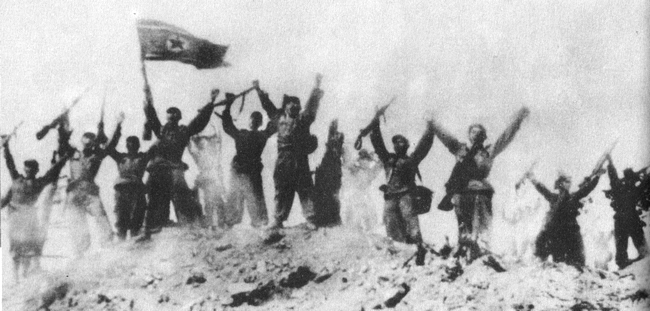
Victorious North Korean troops
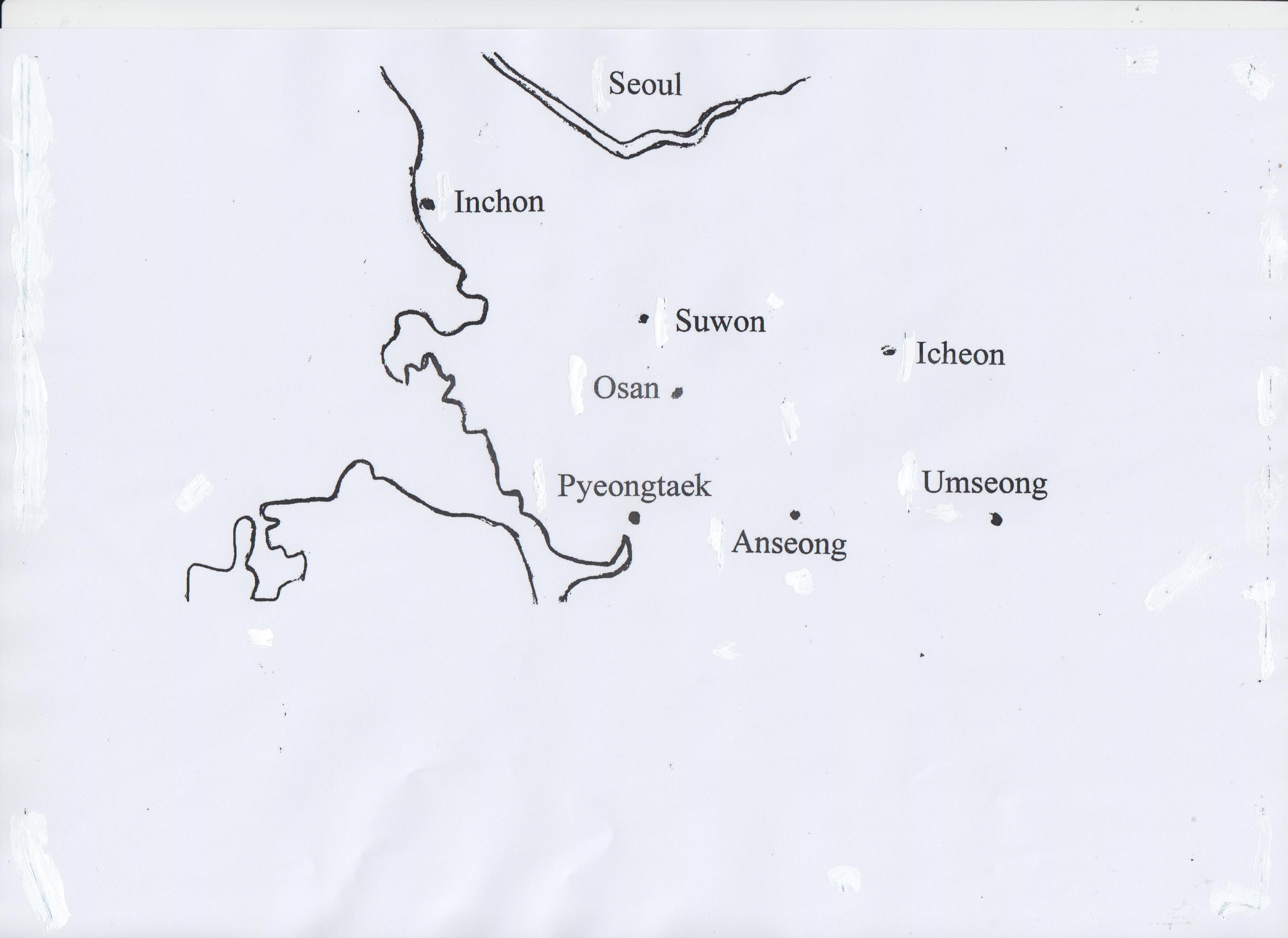
The following sketch map showing the towns mentioned in episode 10, “South of the Han River”.
The podcast is now on ITunes, the links to the RSS feed is in the first post marked Download.
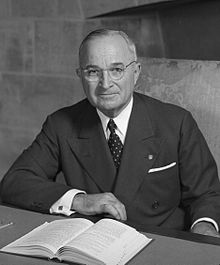
The United Nations votes to use force to defend South Korea. President Truman commits American military forces to South Korea. The United States Air force in action over South Korea. General Mac Arthur visits South Korea. A biography of Harry Truman.
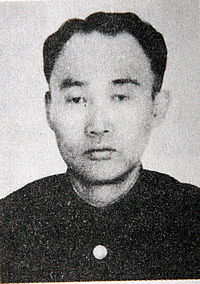
The South Korean Government to defend Seoul. The premature destruction of the bridges over the Ham River trapping part of the South Korean Army on the North Bank. The North Koreans captured Seoul. A biography of Kim Chaek, the deputy leader of North Korea.
James Garner served with the American Army for 14 months during the Korean War. He was wounded twice during the war and was awarded the Purple Heart. He went on to star in the hit television serial the Maverick and the Rockford Files as well as films such as the Great Escape and Space Cowboys.
Michael Caine
He served in the British Army during the Korean War, one of his first film roles was in A Hill in Korea about a British Army patrol. He went on to star in films such as Zulu, Get Carter, Educating Rita and Cider House Rules. He said of an incident during the Korean War when he though he was about to die ‘for the rest of my life, I have lived every bloody moment from the moment I wake up until the time I go to sleep’.
That the podcast is clear to people with varying decrees of knowledge of military term, I have tried to keep the naming of military units simply, which may not please the purist.
If the unit is of the same nationally as the previous unit mentioned or the context making it clear which army I am referring to then I omit the nationally.
As the great majority of units listed are infantry units, I omit the word infantry but if they are of any other kind of type of unit then I refer to them as artillery or tank or engineer or marine etc.
If I did not then a phase such as ‘The 13th and 14th regiments of the 6th Division’ would have to read ‘the 13th North Korean infantry regiment and the 14th North Korean infantry regiment of the 6th North Korean infantry Division’. You would quick tire of me repeating the words ‘Korean infantry’, 40 times in an episode.
As to the American 5th Regiment it was officially called the 5th Regiment Combat Team as it had its own organic Artillery battalion. Instead I refer to the 5th Regiment with the support of the 555th Field Artillery Battalion, I do so because at the battle of the bloody glutch in August and at other times the two units were widely separated which had unfortunate results for the artillery battalion and also I do have not to confuse people with yet another military term.
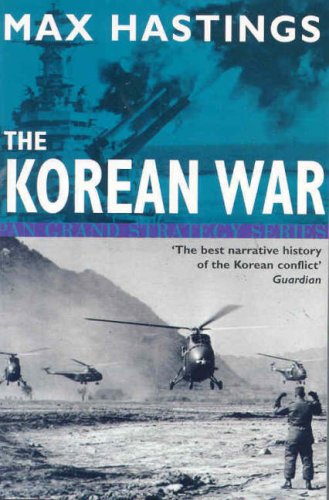
Written in the mid eighties, Max Hastings was able to draw upon interviews from veterans of the war including Chinese veterans. Given that the book covers the whole of the Korean War it can not cover the opening stage of the Korean War in great detail but if you wish to gain a good overview of the Korean War as a whole, then as usual Max Hastings as in his many other books on military history tells the story well.
It is published by Pan books. The ISBN number is 9780671528232
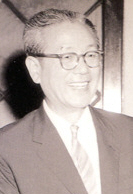
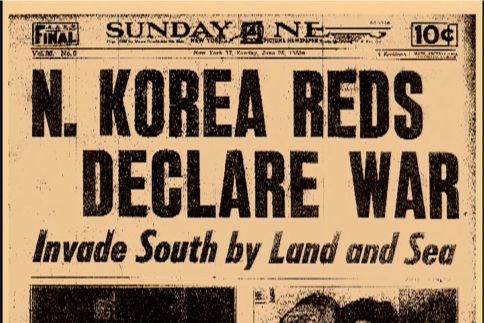
The attack of the North Korean Second Corp in central and eastern Korea. The reaction of the American Government to the North Korean invasion. The United Nations Security Council meets to discuss the invasion. A biography of John Chang the South Korean ambassador to the United States.
The Korean Volume One by the Korean Institute of Military History is another fine book on the first six months of the war. It largely follows Roy Appleman’s Book in regard to the battles fought by the American Army but it adds much more details to battles fought by the South Korean Army giving a more balanced approach to contribution given by each army.
The English version is published by the University of Nebraska. The ISBN is 0-8032-7794-6.
The attack of the North Korean First Corp. The capture of the Onegin peninsular. The advance towards Seoul. The reaction of the South Korean Army Command, the failure of their counter attack at Uijongbu. A biography of General Chae, the Chief of Staff of the South Korean Army. Check out this episode!






 koreanwarpodcast
Recent Comments